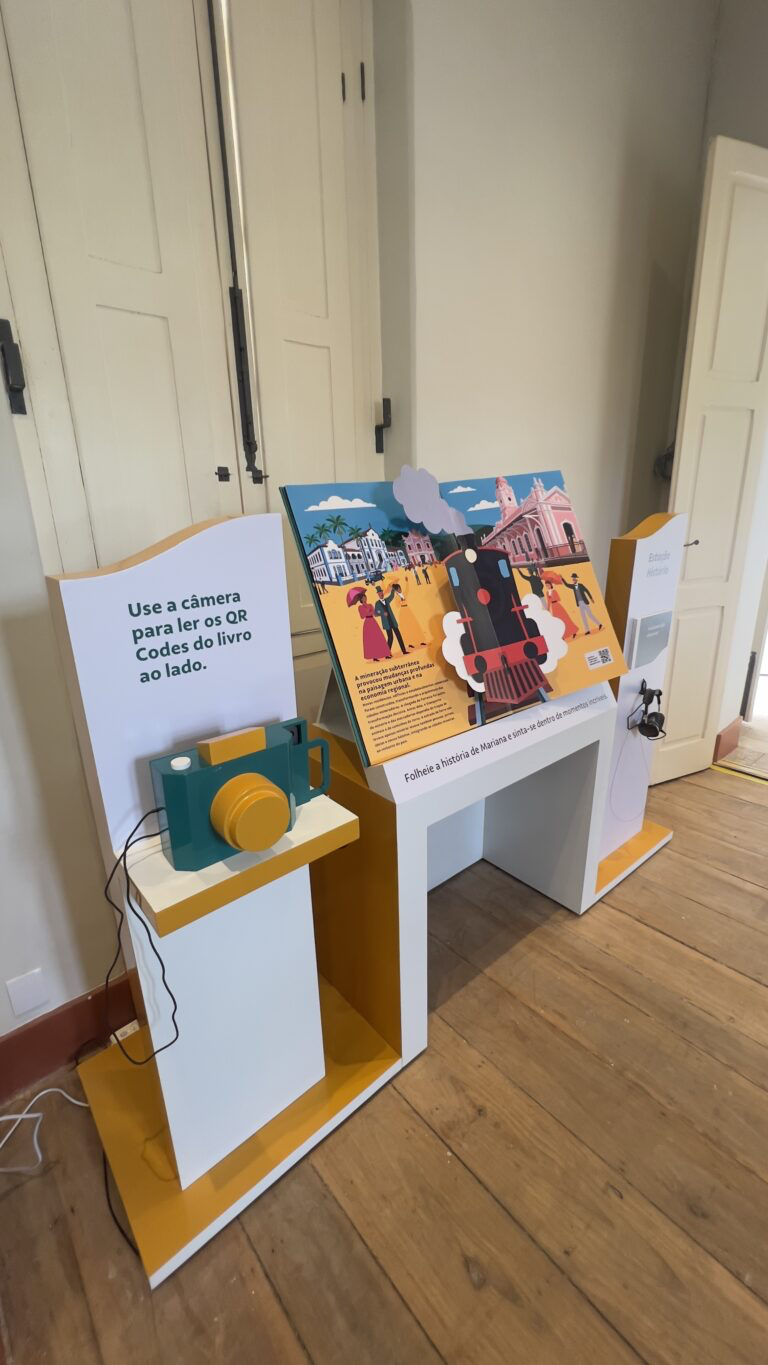
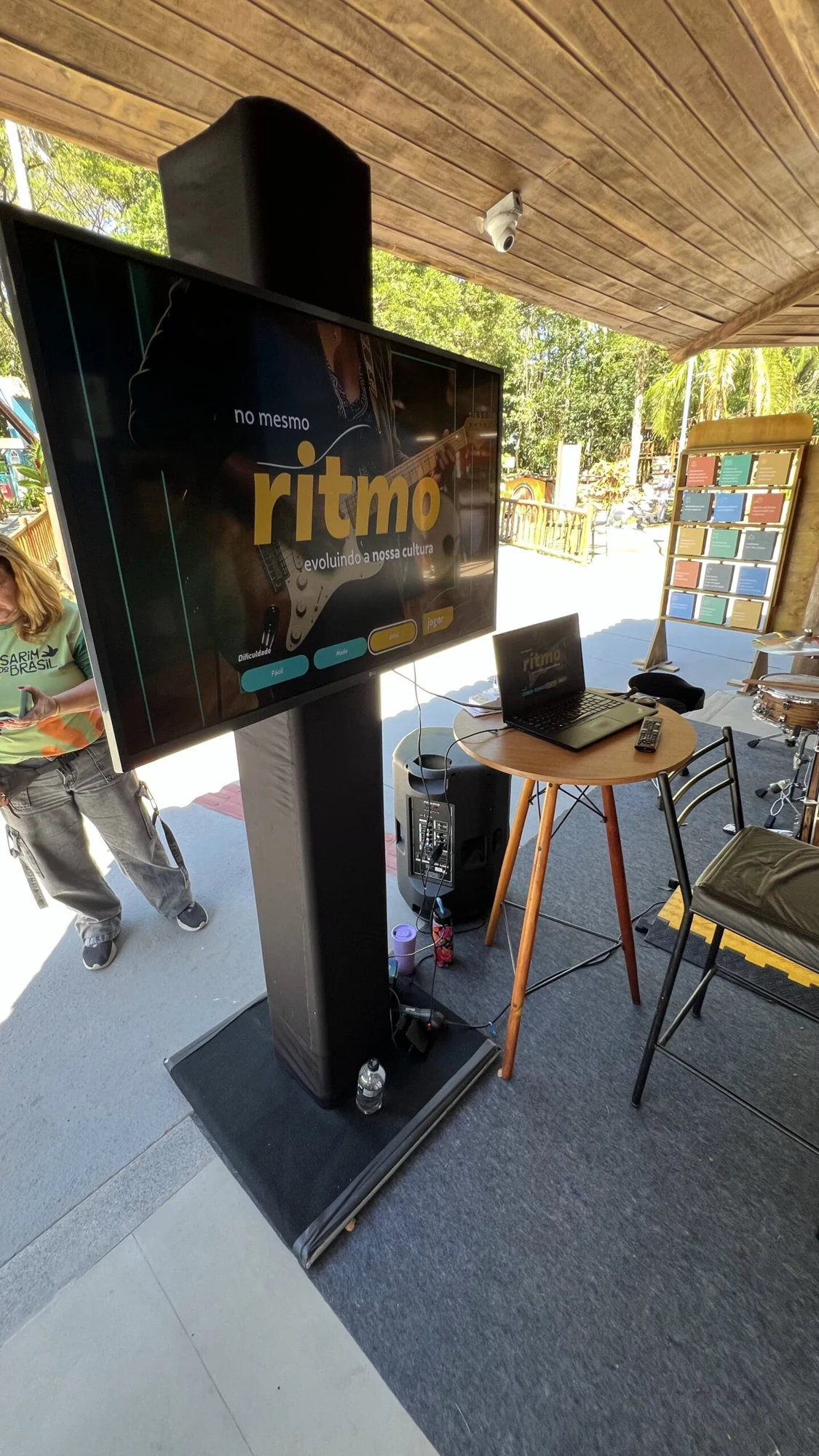
The Vale Experience Center is a permanent exhibition at the Mariana Railway Station. Through interactive environments and multimedia content, the space invites the public to learn about the history, culture, environment and people of the region.
I participated in the inauguration of the Center with the development of two applications. The first is a QR code reader used in three elements of the exhibition — a puzzle, a book and a model. Each code presents specific information and adds a digital layer to the visitor's interaction with the pieces.
I also developed an NPS survey application for the booth. It will remain available while the Center is open to collect visitors' opinions about the experience.
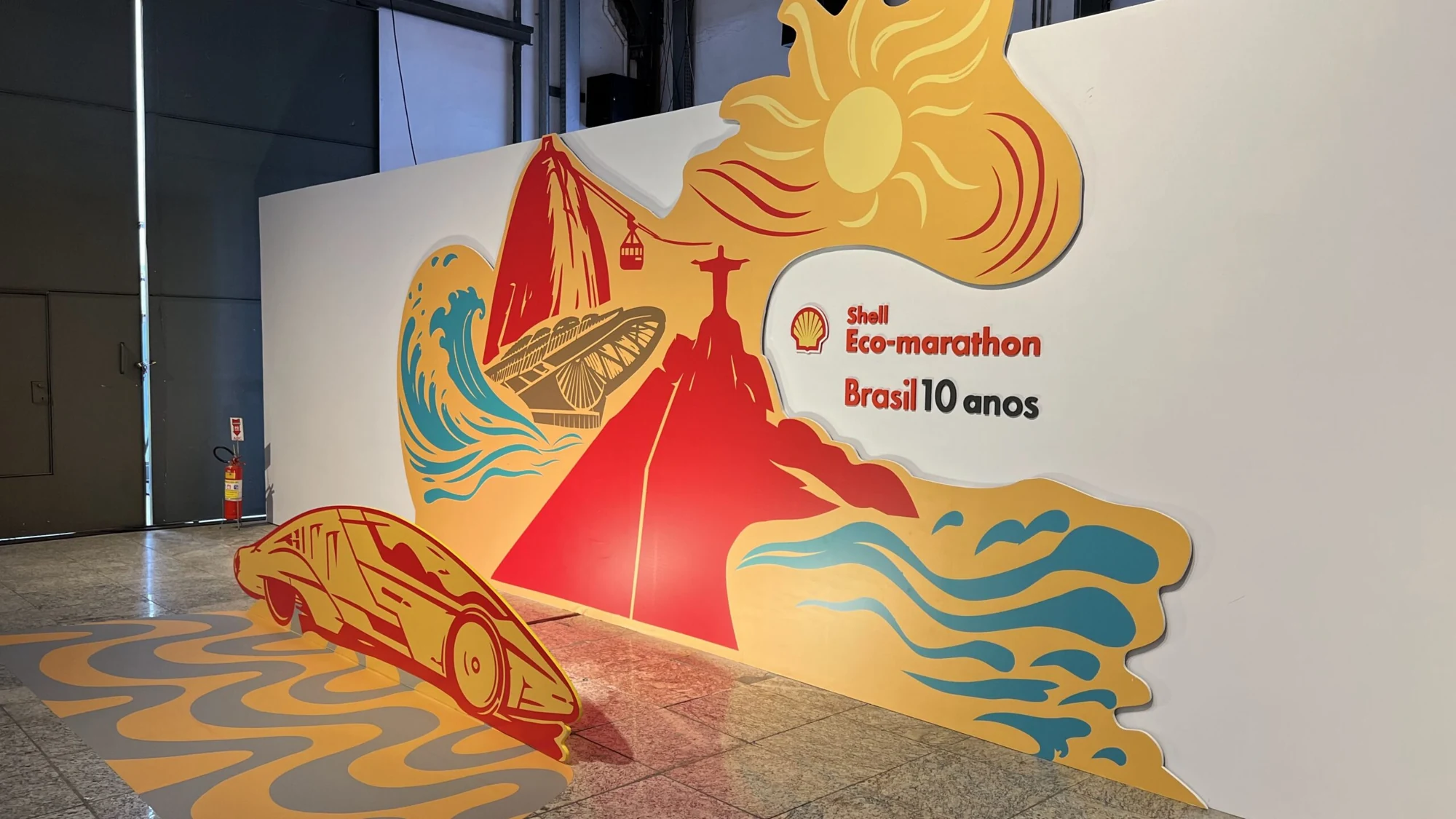
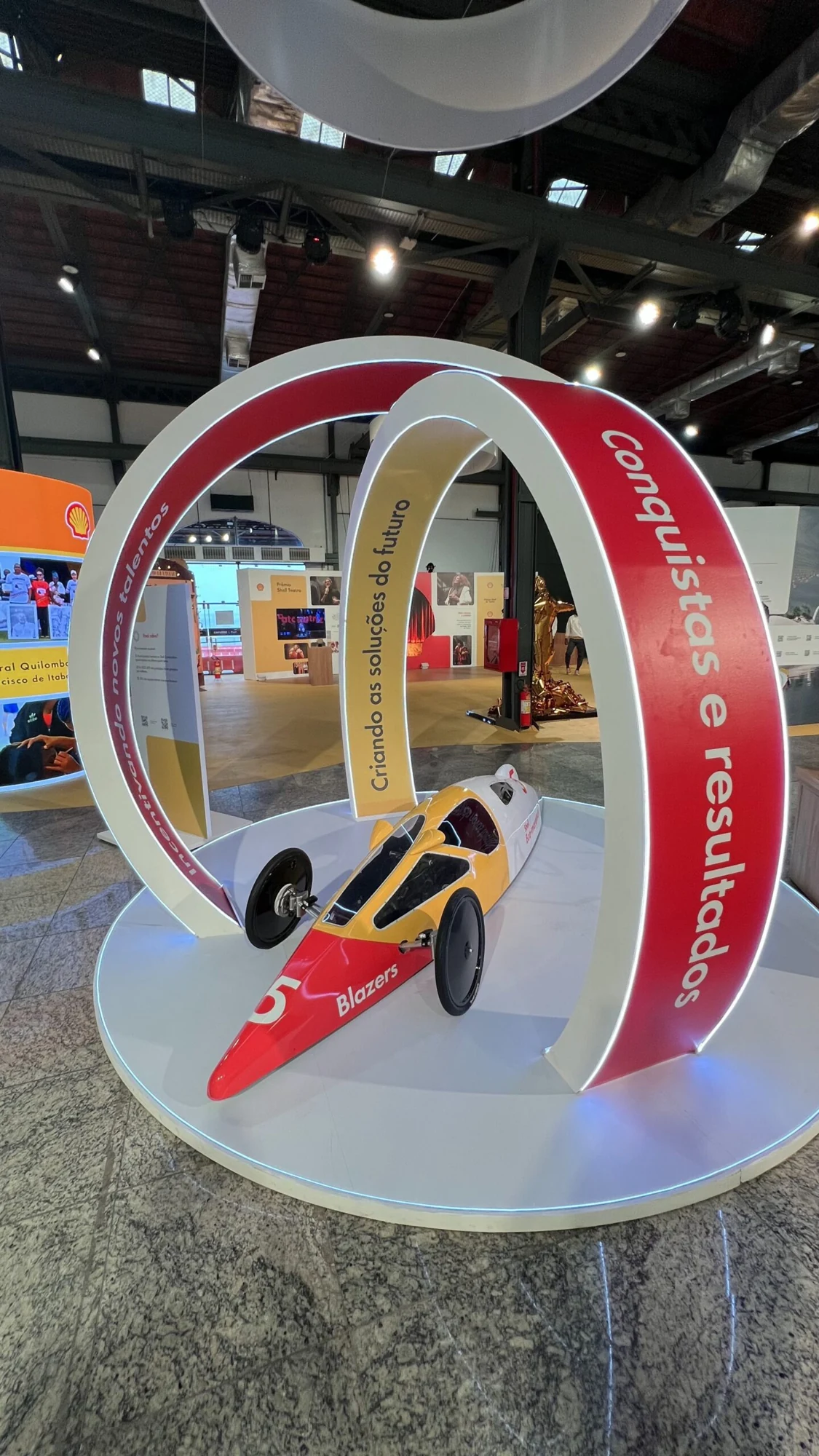
For the second year in a row, I had the opportunity to participate in the Shell Eco-marathon — and being at this event again in 2026 makes the experience even more special.
More than a competition, the Shell Eco-marathon is an environment where innovation, engineering, technology and sustainability meet to transform ideas into real solutions.
Participating again also means seeing how much we have evolved from one year to the next: new challenges, new learning, new connections and, above all, the opportunity to continue contributing to a project that encourages students and professionals to think about the future of mobility in a different way.
It's great to be part, for the second year in a row, of an experience that brings together so much creativity, knowledge and the desire to build something better.
Shell Eco-marathon 2026. Another year being part of this story.
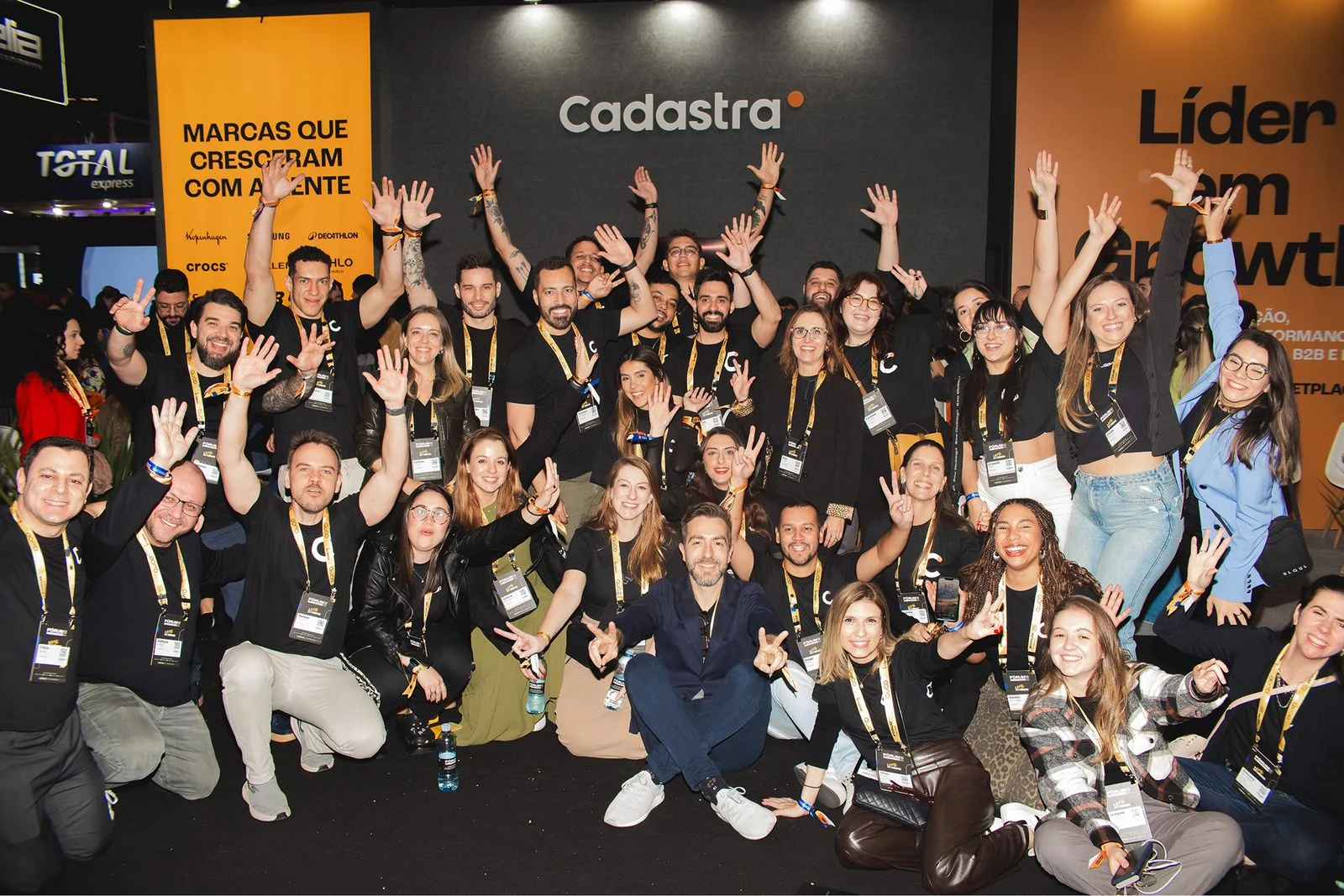
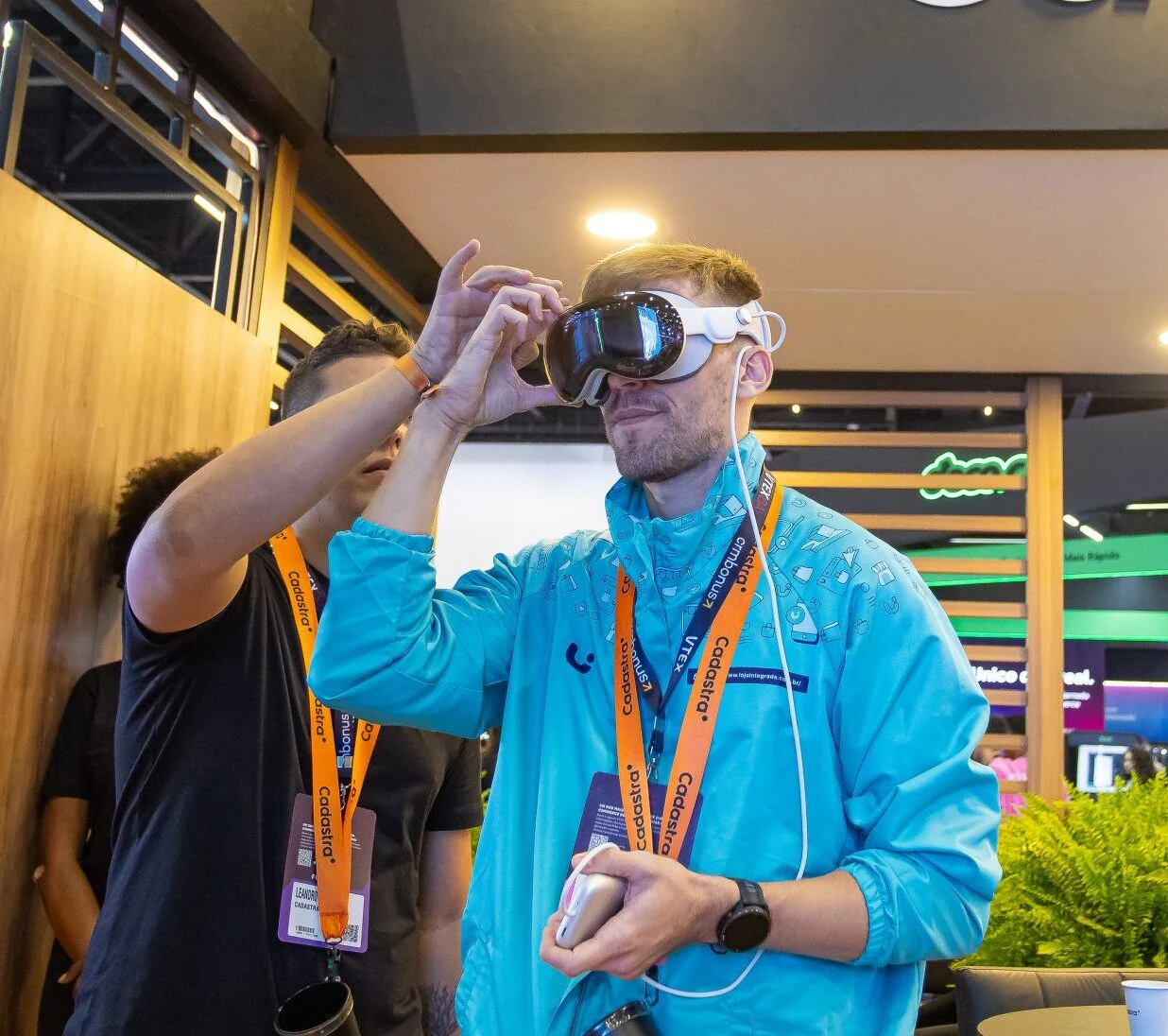
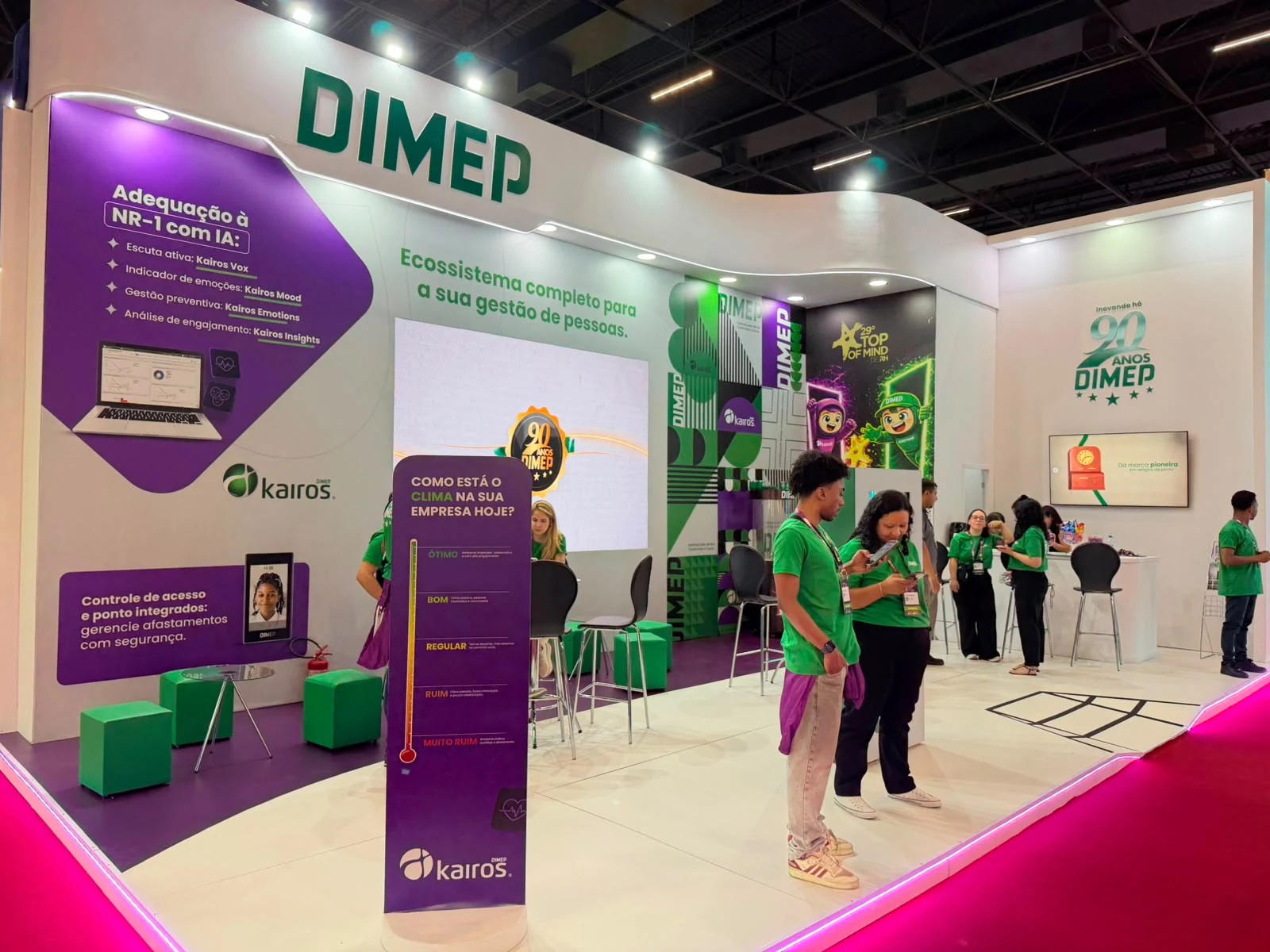
At the E-commerce Forum 2024, Cadastra presented an experience powered by our augmented reality technology. We allowed visitors to view our products in 3D directly on their mobile devices, through their browser — without needing to install anything.
This solution provided a detailed and interactive visualization, as if they were physically exploring the products.
🔍 Benefits of Augmented Reality in E-commerce:
Interactive View:
Your customers can explore products in 3D directly on their devices, observing every detail as if they were in person.
Immersive Experience:
Increase engagement with a differentiated and engaging purchasing journey, highlighting your brand in the market.
Faster Purchasing Decision:
Allow customers to virtually “try on” products, reducing doubts and increasing confidence in purchasing.
This technology not only improves the customer experience, but also contributes to increased conversions and reduced returns — making your e-commerce more efficient and attractive.
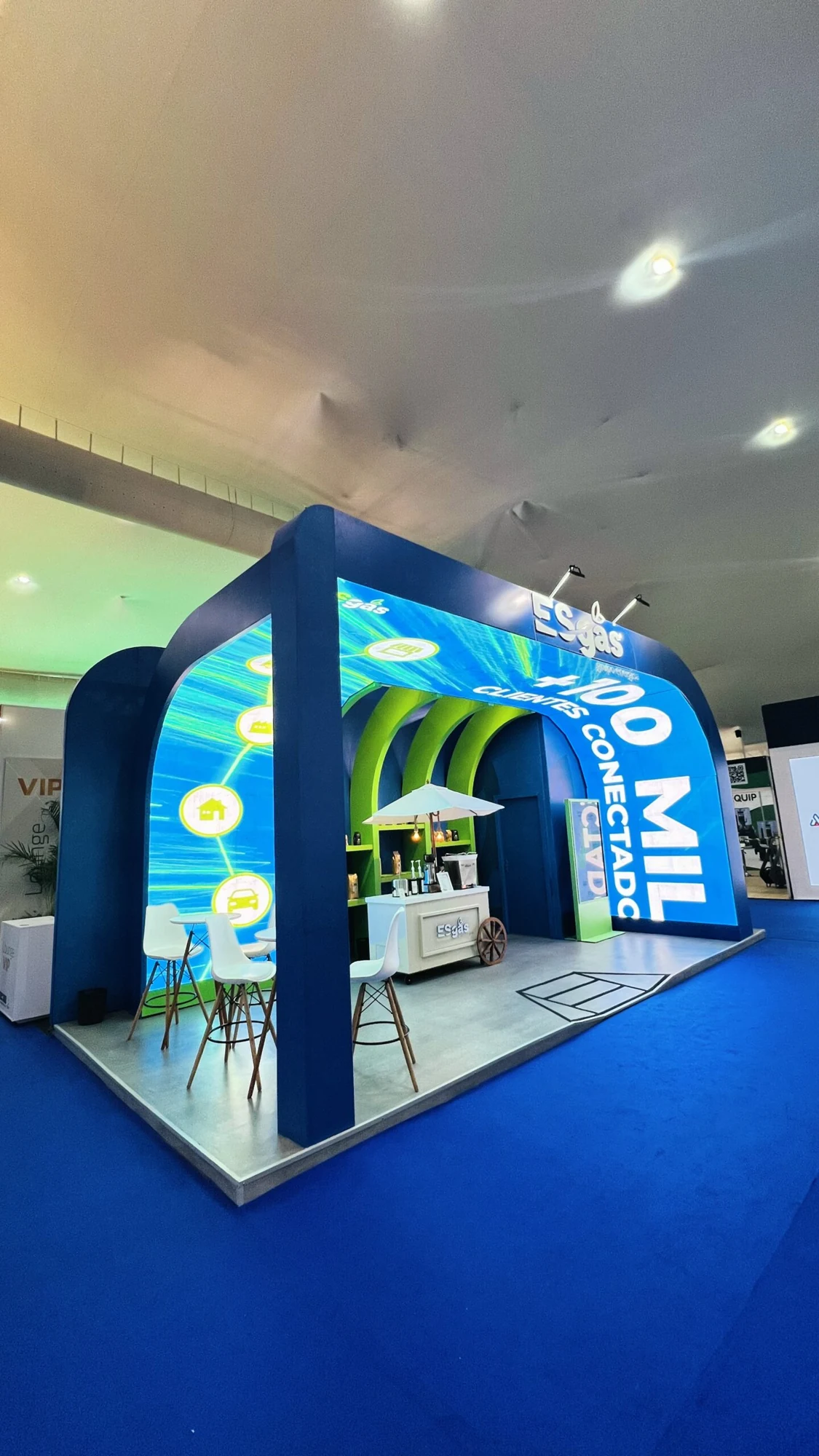
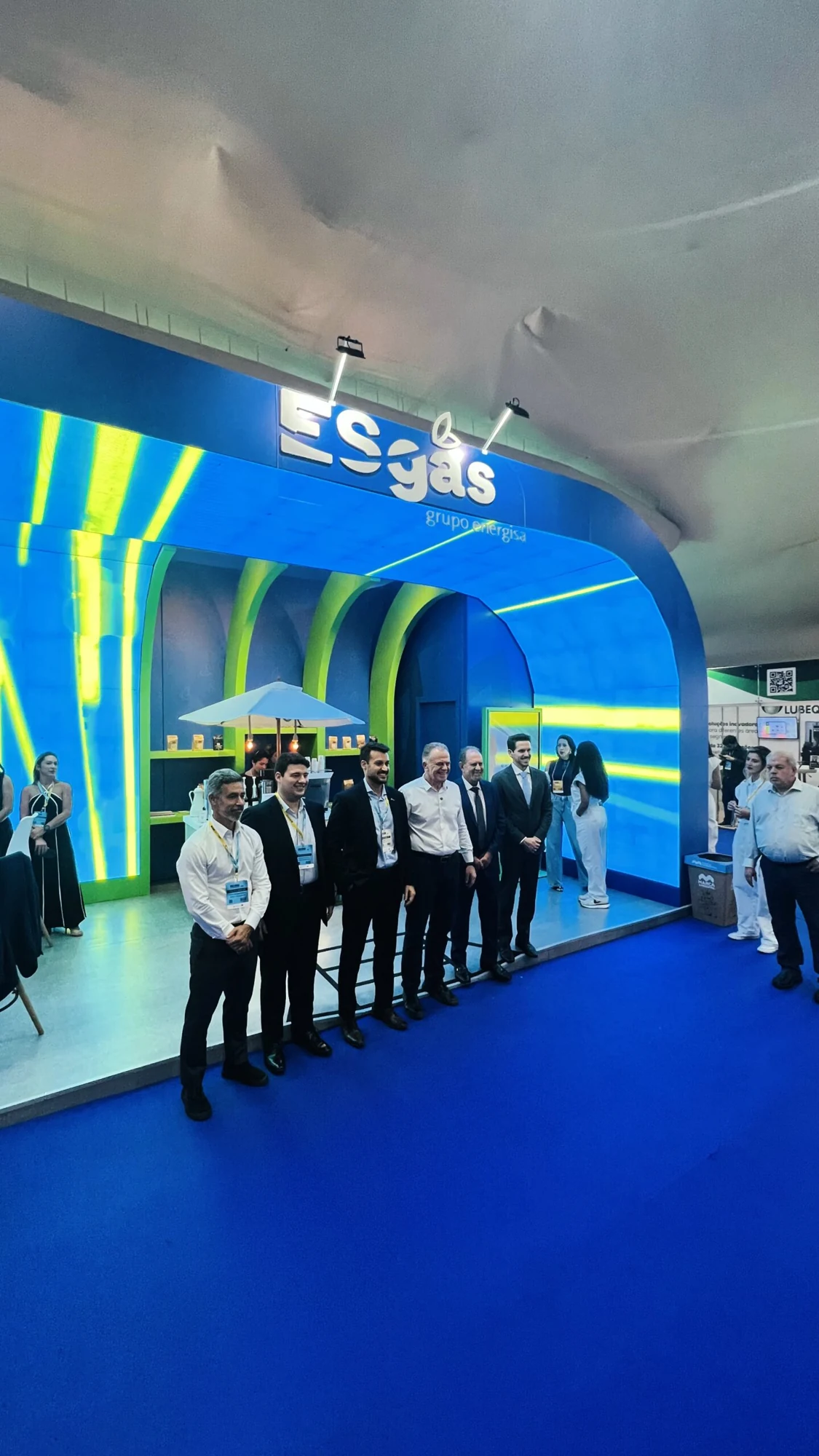
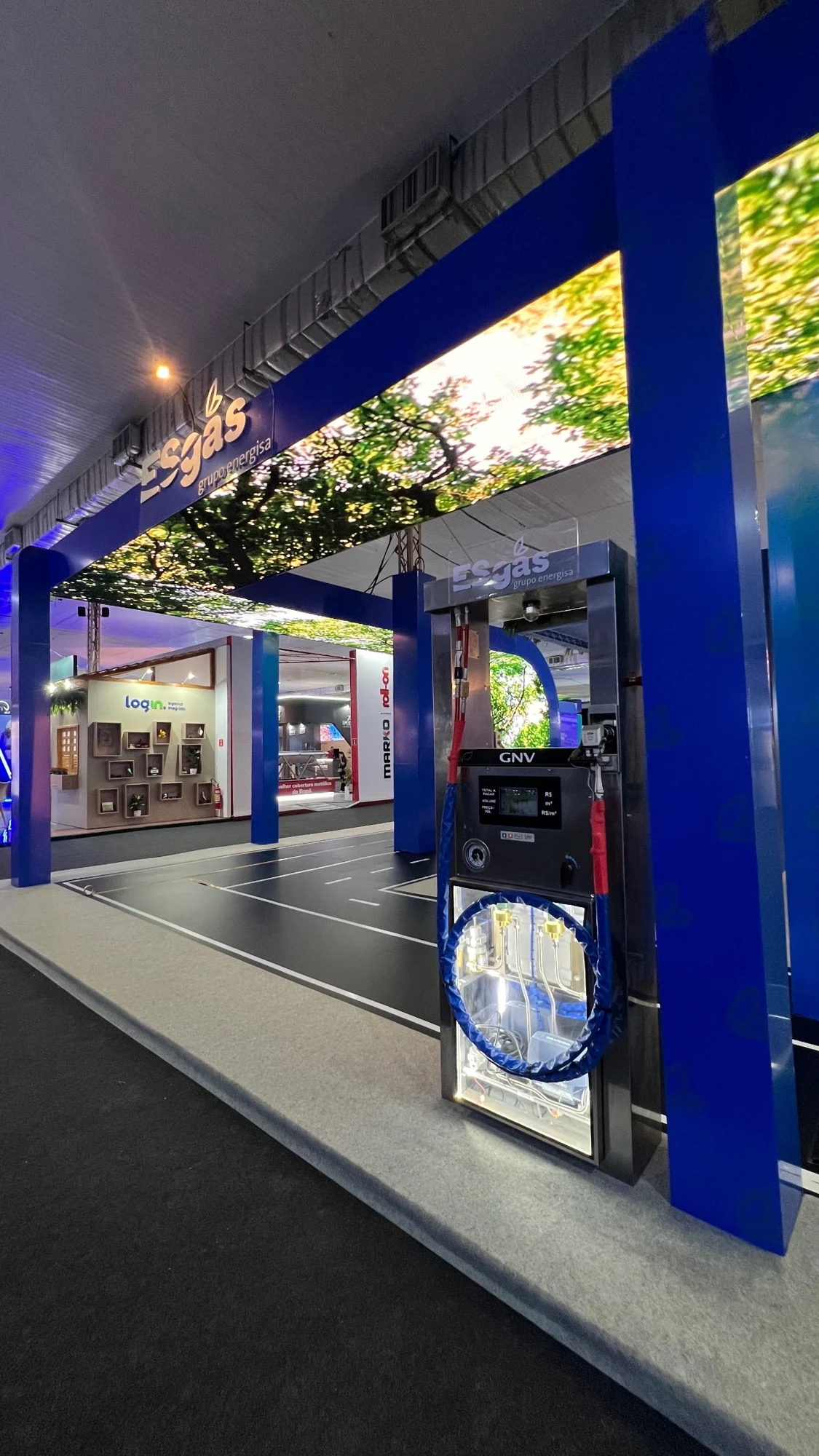
We have developed a interactive application for touch display with the aim of presenting the ES Gás universe in an accessible, dynamic and engaging way during the event.
The experiment was structured as a content journey, allowing the visitor to navigate through important milestones in the history of ES Gás, learn about its innovation initiatives and products and better understand topics related to natural gas distribution and its applications in different sectors.
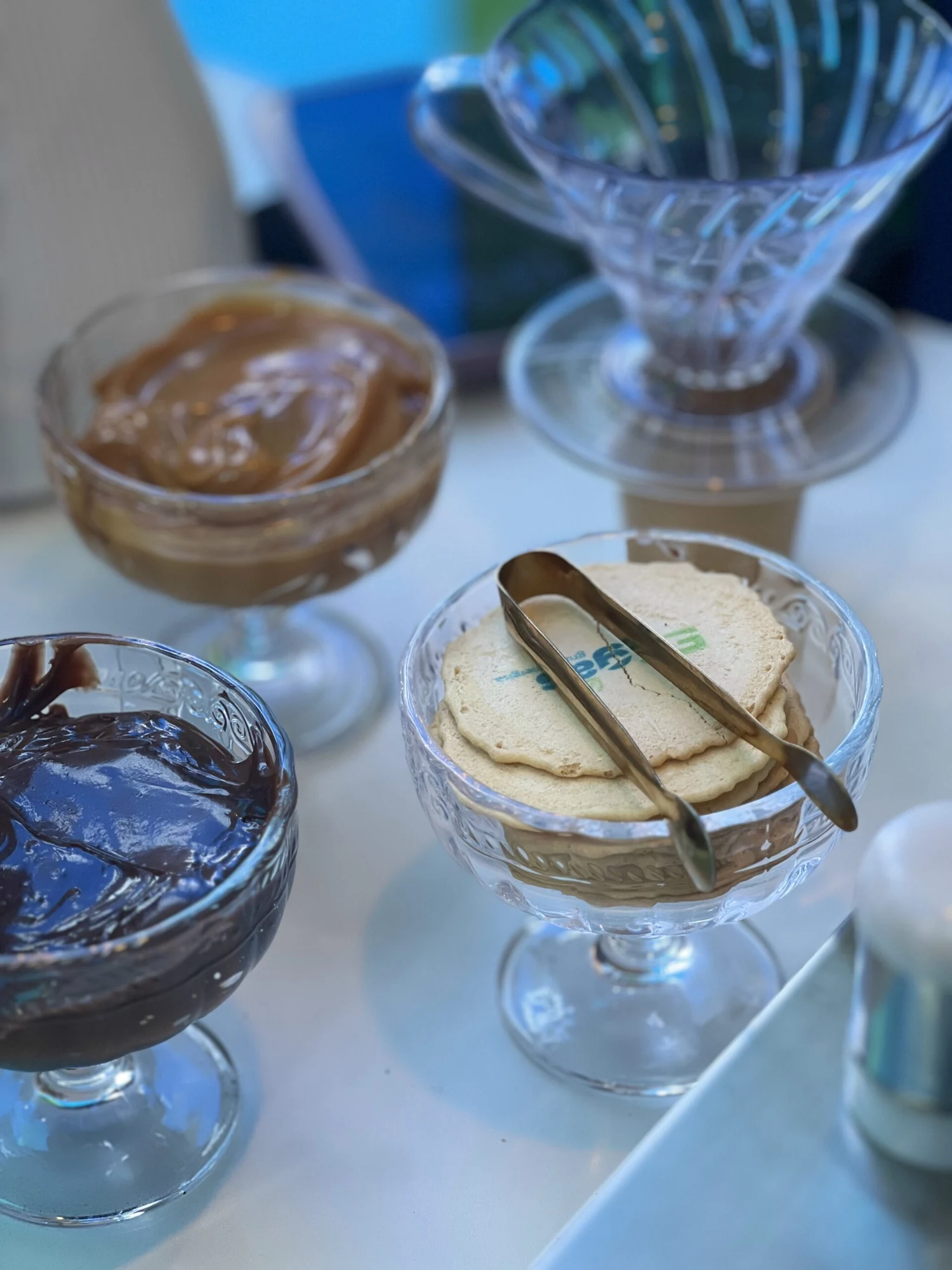
One of the highlights of the experience was the content dedicated to solutions and innovations aimed at the coffee industry, bringing a technical topic closer to the public's productive reality and demonstrating new possibilities for using natural gas.
At the end of the navigation, the visitor participated in a quiz with three questions, created to lightly and interactively evaluate the knowledge acquired during the experience and reinforce the content presented by the promoters at the event.
More than concentrating information on an interface, the application transformed the display into a point of interaction, learning and connection with the brand, combining content, technology and gamification into a single experience.
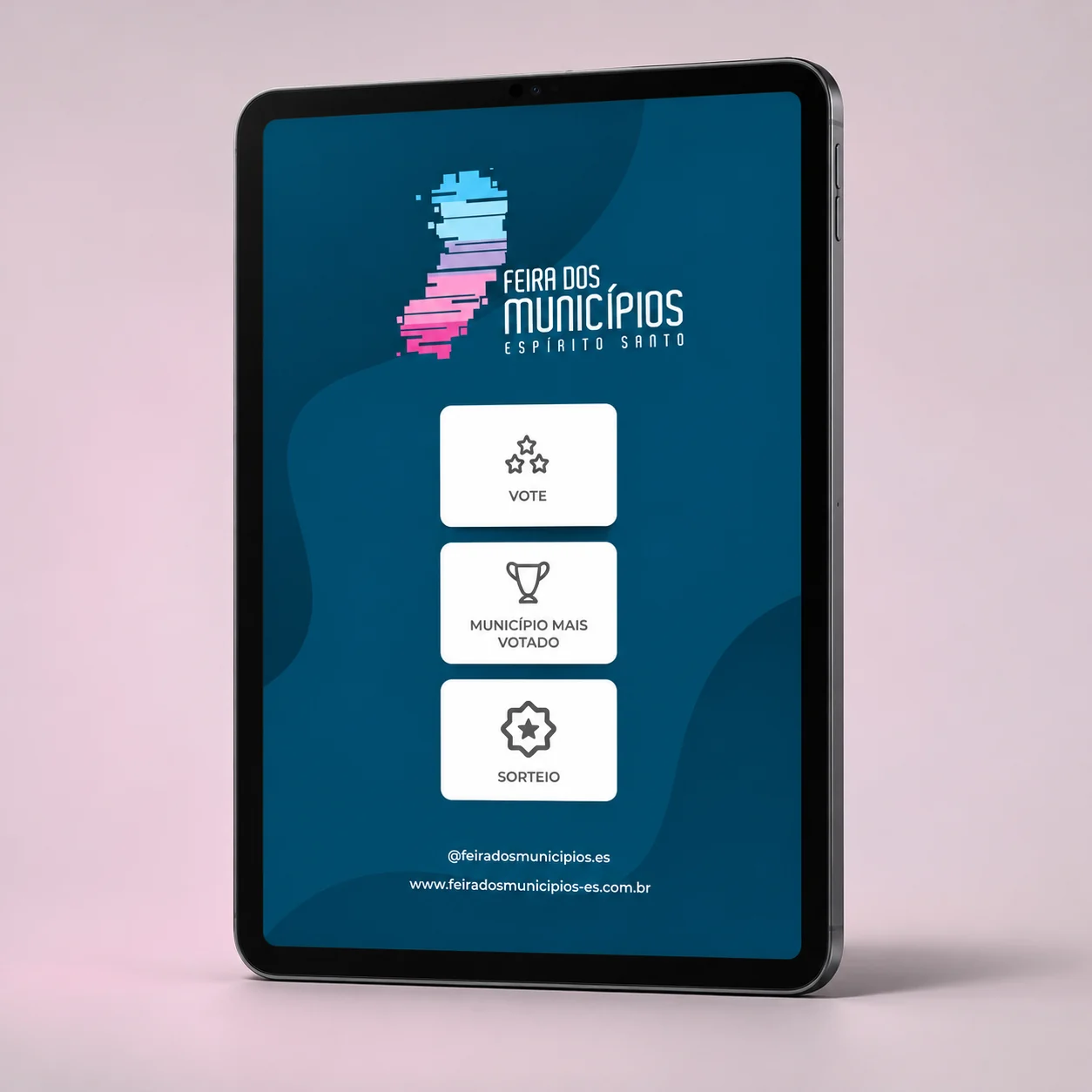
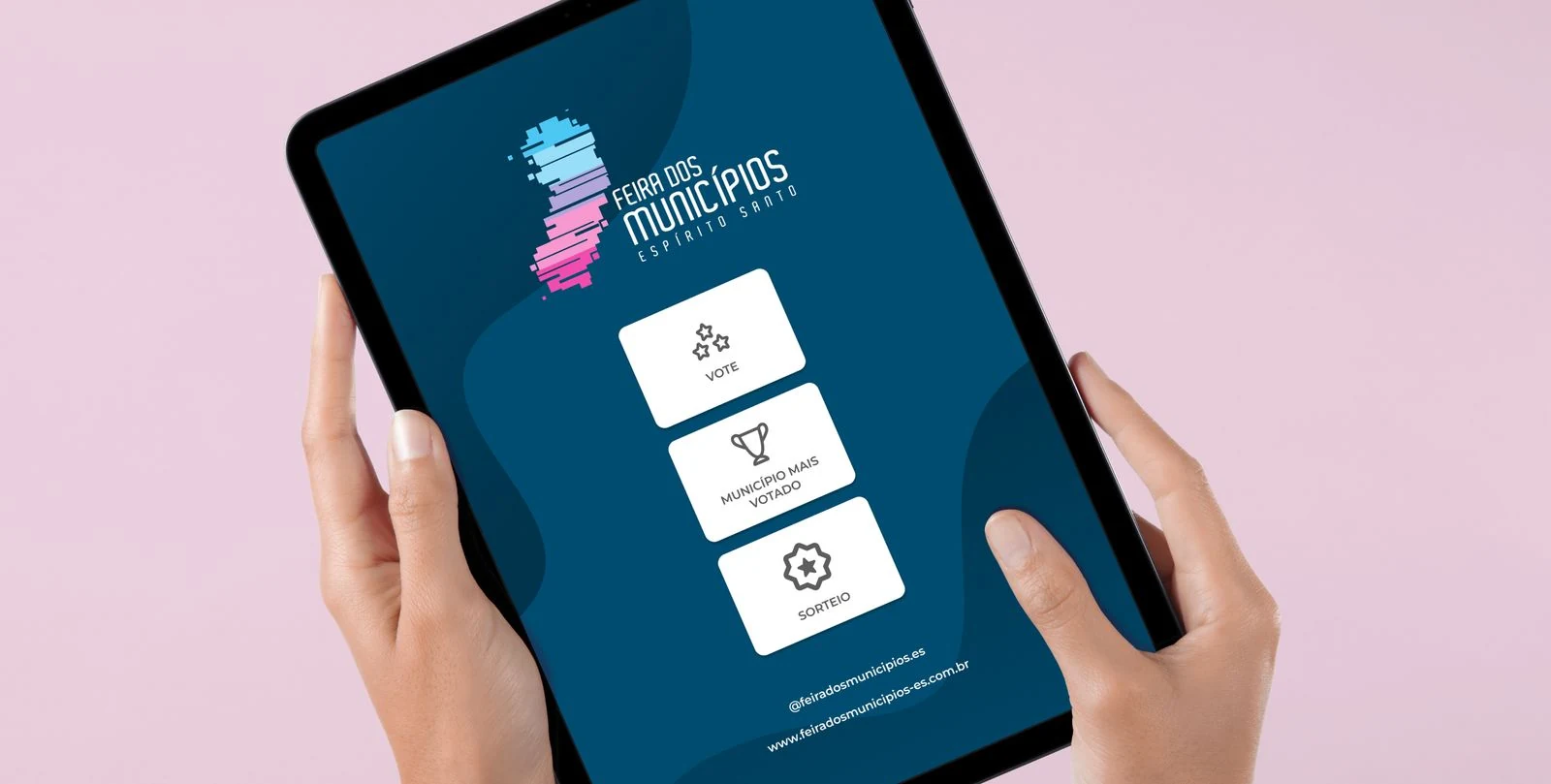
The Municipal Fair is one of the most important events in Espírito Santo, bringing together culture, gastronomy, tourism and entrepreneurship from different cities in the state. I was responsible for creating the event's official website and developing an interactive voting system with a draw, with the aim of engaging the public and valuing the participating municipalities.
Challenges faced:
Develop a fast, light and accessible digital experience, especially for mobile users during the event.
Create a fair, transparent and easy-to-use voting system, allowing the public to choose the municipalities with the best presentation, best product and greatest prominence.
Conectar a votação a um sistema de sorteio para incentivar a participação do público.
Technology used:
Development of the hotsite and voting/drawing system in HTML, CSS and pure JavaScript, ensuring independence and high performance.
System interface designed for real-time use, with display on big screens and administrative panel for auditing votes.
Modular structure and optimized for operation on different devices and unstable connections.
Strategy adopted:
We created a direct and intuitive flow for the visitor:
navigate through the event → vote for municipalities → automatically participate in the prize draw.
Gamification was used as an engagement tool, encouraging visitors to explore more booths and interact with the fair.
The administrative panel allowed the event team to monitor votes in real time and safely control the dynamics of the draws.
Solution delivered:
The digital solution added value to the Municipal Fair, integrating technology, culture and entertainment.
A complete system that strengthened public engagement, gave visibility to municipalities and helped transform the event into a more interactive and participatory experience.
This project was an immersion into the future of the shopping experience. Thinking about Apple Vision Pro, I developed an environment where Madesa furniture can be viewed in full scale, in augmented reality, within the user's physical space.
Challenges faced:
Create a fluid and realistic experience in a new and little-explored ecosystem.
Optimize 3D models to achieve high realism without compromising performance in VisionOS.
Ensure intuitive usability in a 100% three-dimensional and immersive interface.
Technology used:
Native Swift development for Apple Vision Pro (VisionOS).
Complete furniture modeling in Blender, with UV Mapping, PBR texturing and polygon optimization.
Implementation of gestures and spatial interaction using native Apple APIs.
Strategy adopted:
I identified the potential of immersion as a decisive purchasing factor and invested in creating an environment where the customer could explore the furniture as if they were in a physical store, but with complete freedom of scale, angle and positioning.
I worked on spatial navigation without traditional menus, focused on gestures and gaze direction.
Solution delivered:
This project not only explores the capabilities of the Apple Vision Pro, but demonstrates the power of integrating design, technology and innovation into a single flow.
A premium augmented reality experience that positions the Madesa catalog at the forefront of digital retail.